AI brings hope against Oral Cancer in Chhattisgarh
Bhilai | Correspondent: In Chhattisgarh, where tobacco use remains high, oral cancer continues to be one of the biggest public health concerns. Doctors say late diagnosis, lack of awareness and shortage of trained specialists often reduce the chances of successful treatment.
A 2018 study conducted at Raipur's Regional Cancer Centre (RCC) found that oral cancer affected both rural and urban populations almost equally. Of the 151 patients studied, 74 were from rural areas and 77 from urban areas. However, access to healthcare remained a challenge, with nearly half the patients living far from treatment facilities.
Health experts say oral cancer has one of the lowest survival rates because many patients seek medical help only after the disease has advanced. On World No Tobacco Day, doctors stressed that early detection remains the most effective way to improve outcomes.
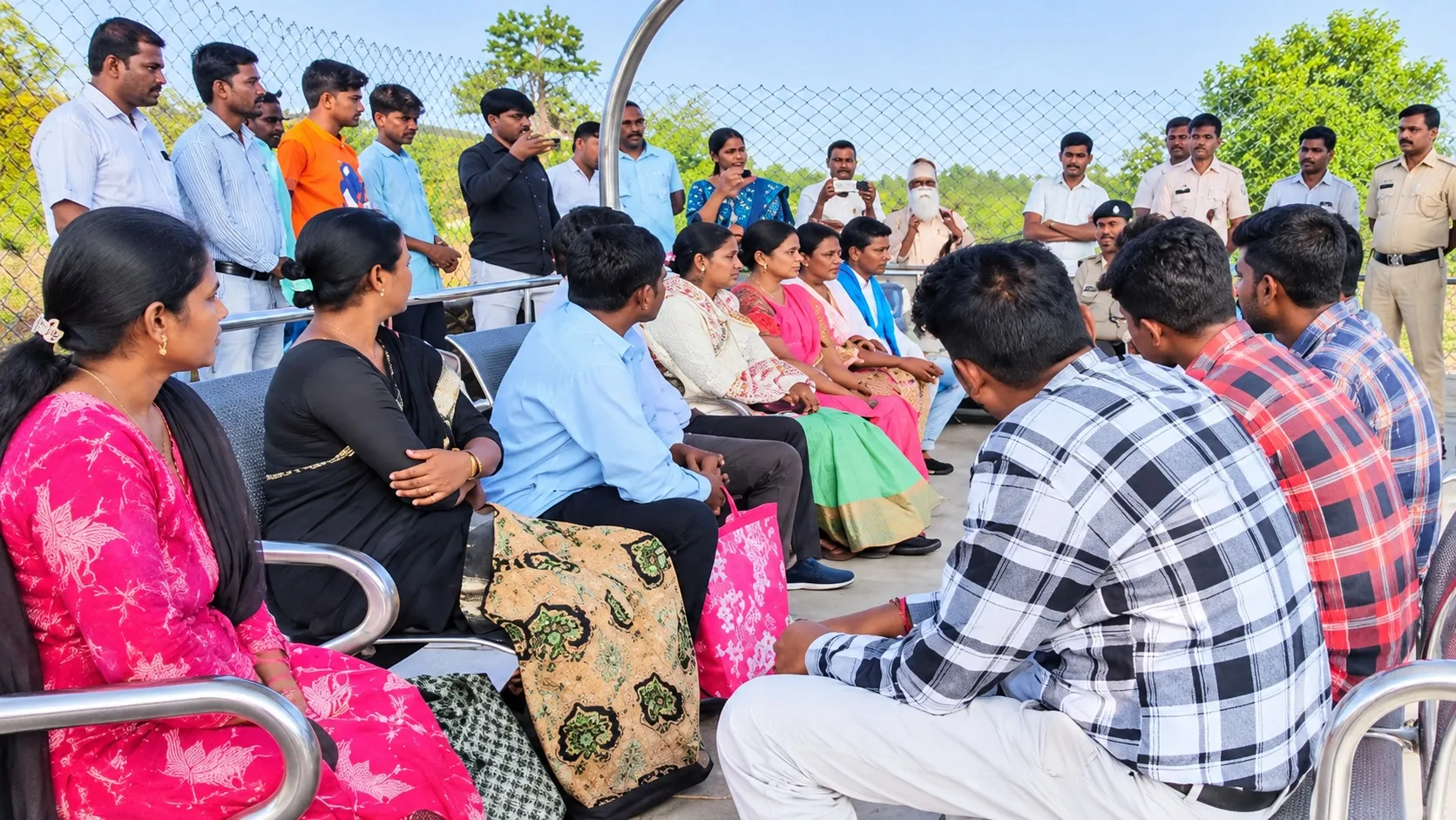
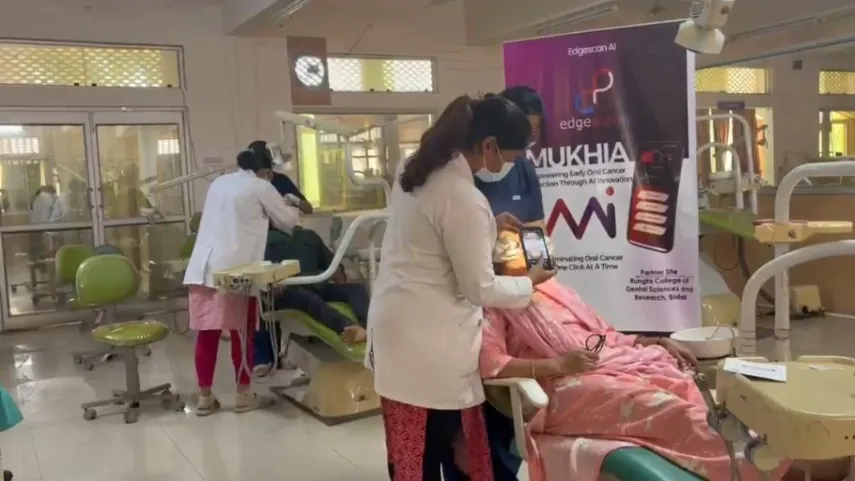
To address this gap, Rungta College of Dental Sciences and Research in Bhilai has started using an artificial intelligence-based screening application called Mukhia Plus. During a recent pilot programme, dental students screened around 150 people using the portable tool, which can identify more than 60 types of oral lesions, including pre-cancerous and cancerous conditions.
"We are committed to combining technology with patient care. Mukhia Plus allows faster and more accurate screening, and early detection is critical in improving survival rates," said Dr Karthik Krishna M, Dean of Rungta Dental College.
One of the beneficiaries was a 65-year-old tobacco user whose painless white patch inside the cheek was flagged by the app. Doctors later identified it as leukoplakia, a pre-cancerous condition, allowing treatment to begin at an early stage.
Final-year dental student Sulgana Pine said the application analyses oral images in real time and helps identify suspicious changes that may otherwise be missed during routine examinations. "It is easy to use, patient-friendly and helps maintain records for follow-up," she said.
The app has been developed by Pune-based Edgescan AI using a database of more than 50,000 annotated images collected from 18 clinical centres across India. According to the company, the tool has a sensitivity of 96.2% and an overall accuracy of 89.7%, validated through a study registered with the Clinical Trials Registry of India (CTRI).
Dr Prachee Hendre-Mhetras, Oral Health Expert at Edgescan AI, said the smartphone-based tool can be used by trained healthcare workers and helps detect potentially malignant disorders such as leukoplakia, erythroplakia and oral submucous fibrosis before they progress to cancer.
Following the success of the pilot project, Rungta Dental College plans to expand the use of the technology to rural outreach camps. The institution will continue tracking referrals and confirmed diagnoses to assess the tool's impact on early detection and patient outcomes.